BAE Systems Australia – Osborne Naval Shipyard: Workplace Culture & Equality Action Plan
BAE Systems is Australia's most versatile defence and security company, delivering advanced defence capability across air, maritime sustainment and shipbuilding to help protect Australia's people, national security and critical infrastructure.
At the Osborne Naval Shipyard in South Australia, BAE Systems Australia is delivering the Hunter Class Frigate Program, one of Australia's most significant naval shipbuilding programs, alongside its role in the Commonwealth's Destroyer Capability Enhancement program. These long-term programs rely on a highly skilled and sustainable shipbuilding workforce and provide an important opportunity to broaden participation in trades and technical careers.
Through the Breaking Barriers project, BAE Systems Australia and the AMWU are working together to better understand and address the barriers that can affect women's participation, retention and progression in traditionally male-dominated trades. The aim is to move beyond attraction alone and create the workplace conditions, career pathways, leadership and culture that support more women to enter shipbuilding, build sustainable careers and succeed over the long term.
Key Focus:
Attracting more women into trades and technical roles, as an untapped resource.
Strengthening Retention and career pathways for women.
Reinforcing safe and respectful workplaces.
Support strong leadership on the floor, including broadening leadership representation.
Current outcomes:
Developing an Action Plan that incorporates a Communication and Engagement Plan, including initiatives such as Work Experience and Try-a-Trade events.
Delivered successful education and attraction events for women.
Established listening circles to get a better understanding of the barriers women face in the workforce.
Instilling a strong safety culture that is inclusive of psychosocial safety across the Production workforce.
Enhanced the reporting culture through building confidence in the workforce to respectfully call out inappropriate behaviour
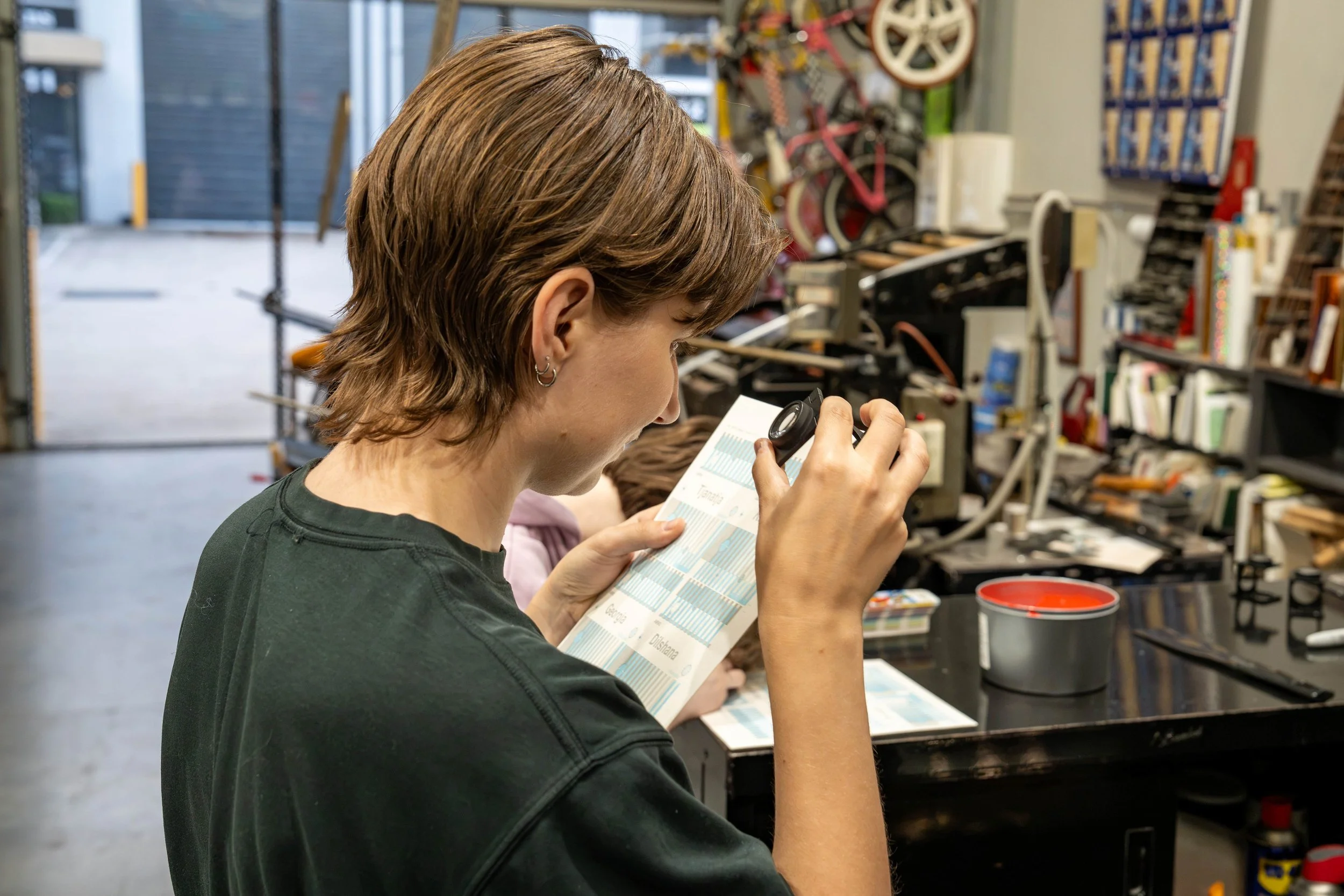
Looking Beyond the Headlines in Print
To introduce more women to the careers and opportunities within the print industry, the Breaking Barriers project in partnership with Holmesglen Institute developed a four-week introductory course to give participants hands on exposure to modern print production and industry technology.
The short course was thoughtfully designed and delivered by Holmesglen’s educators, who brought significant technical knowledge, experience and enthusiasm to the classroom, creating an engaging and valuable introduction to the opportunities available within the sector.
The Challenge
Unlike similarly structured programs the project has targeted towards other industries, the print course attracted a lower number of enrolments than we had anticipated.
Many who attended the preceding information session already had a connection to print, whether through a family member working in the field, experience in adjacent work, or had personal hobbies or interests that aligned with print technologies and processes. Reaching women with no prior exposure to the sector proved far more challenging.
While the course itself was exceptionally well received by both participants and stakeholders, this raised an important question: why weren’t there more exploring print as a career option?
What We Learned
Discussions with Holmesglen’s educators and representatives in attendance from the Visual Media Association (VMA) highlighted and challenged many of the assumptions that commonly surround the industry. Two strong themes emerged;
Firstly, that there is a gap between the public’s perception and the industries reality. Headlines about declining newspapers overlook the post-pandemic revival of magazines and books, and the packaging, labels, signage, marketing, sustainability and promotional materials which remain abundant, imbedded in everyday life and playing an essential role in how we communicate and do business.
Perceptions of how print is produced also haven't kept up with the industry's transformation. Digital technologies, automation and robotics now shape increasingly sophisticated production environments, reflecting an industry that's embracing innovation.
Secondly, discussions pointed to a gap in awareness of print as a career option, particularly amongst young people. Educators and representatives described ongoing workforce demand, varied and skilled career pathways, and the need to attract new talent, but without a personal connection to the sector or exposure to these opportunities, many may not even know to consider them.
The Response
These findings have broadened the project's focus beyond training delivery, to include understanding the factors influencing career awareness and industry perception.
We hope to build on this with our project partners to explore ways and plan activities that increase the industries visibility, including engagement with schools, careers expos, workplace tours and industry engagement initiatives. The goal is to better connect women with the opportunities available and challenge outdated perceptions about careers in print.
Looking Ahead
The experience reinforced an important lesson: before anyone can choose a career pathway, they need to know it exists and have confidence that it offers a viable future.
By working with industry partners to better understand barriers to awareness and attraction, we hope to support workers into an industry that is capable of offering them stable, skilled and rewarding careers in Australia.
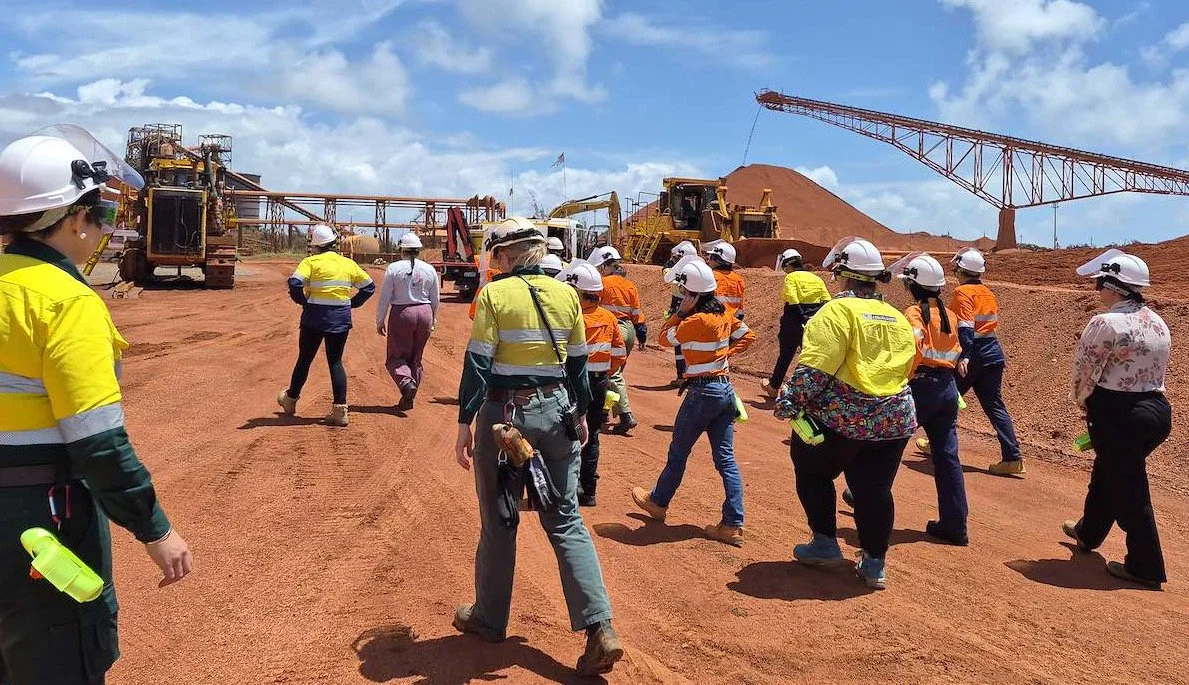
Breaking Barriers at the Bargaining Table and Beyond
Several systemic and structural barriers were identified in the manufacturing industry, which formed the basis of the Breaking Barriers Project. Some of the barriers included access to appropriate amenities, safe and respectful conduct of those within the workplace, preventative measures and supportive reporting mechanisms for gender-based violence.
The Challenge:
In all project work, there’s a limited window to make an impact and achieve intended project outcomes. This is especially challenging in areas where cultural and social change are required. While project partnerships ensured a strong uptake of workplace training and Workplace Culture and Equality Action Plans, there was concern that upon project completion, progress could be lost or not maintained. There was a collective desire to find a way for the project to have lasting impact even after it was completed - to find a way to “plant trees under whose shade you do not expect to sit.”
The Response:
Being a union-based project, an opportunity was identified to embed change through an existing function of the union – Enterprise Bargaining Agreements. A range of clauses were collected and collated, and new clauses were developed through partnerships with Victorian Trades Hall and UnionsWA. Words like “universal” were used to assist in conveying that while the clauses may be “women-focused” they can be equally beneficial for men.
Early outcomes which arose:
· Building ownership and empowering members, delegates, and organisers to advocate on a range of issues with tangible steps and actions.
· Common language to guide and lead discussions which foster empathy and can reduce the difficulty and discomfort that can arise around diversity and inclusion conversations
· Emergence of greater understanding and empathy for issues that impact everyone, however, due to current workplace structures, have greater adverse effects on women.
· Clauses in EBAs set clear and enforceable requirements for safe, inclusive and supportive workplaces, which will continue to benefit women entering industry for years to come.
Key Learnings:
Breaking Barriers at the bargaining table turns good intentions into lasting and prescribed commitments. Clear and collaborative language for a practical ask empowers everyone to take part in changes which benefit the whole workforce.